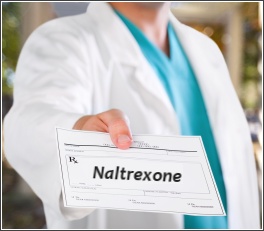
 Naltrexone is an opioid treatment medication that works very differently than either methadone or buprenorphine.
Naltrexone functions as an opioid blocker that interferes with the euphoric effects of opiates. Unlike methadone, naltrexone does not eliminate opioid withdrawal. So it is typically only begun following a successful period of opioid detoxification.
Naltrexone is taken as a pill or as a time-released injectable. It blocks the feeling of getting high thus deterring a person from continuing in active drug use with opioids. If there’s no pay off for using, why do it?
Some individuals who don’t necessarily require methadone or buprenorphine can effectively utilize naltrexone as a component of their recovery program. Vivitrol is the time-released, branded version of naltrexone that is taken once monthly as an injection. With Vivitrol, the naltrexone remains active in the bloodstream for 30 days and blocks the effects of heroin or other opiate use. This reinforces one’s focus on recovery choices and can reduce opioid cravings.
Patients receiving naltrexone may develop a lowered tolerance to opioids over time, and should remain aware of the risk of opioid overdose should they relapse. The medication is also used in the treatment of alcohol dependency and has been shown to reduce the euphoric effects of alcohol consumption.
Naltrexone is not to be confused with Naloxone. Naloxone is the opioid overdose reversal medication that has recently been in the news for saving thousands of lives across the country.
 Follow

 The national budget proposal for the 2019 fiscal year includes a request for $13 billion in funding for opioid treatment and related services. This linked
  There is a great article in the
  The nation’s opioid epidemic has reached fever pitch and is now being spotlighted by all levels of local and national media. This is obviously good news.
 Acadia Healthcare is a leading provider of addiction treatment and behavioral healthcare services in the USA, the UK, and Puerto Rico. Worldwide, they operate a network of 593 facilities with 18,100 beds in 40 U.S. States. Of these locations, Acadia offer medication-assisted opioid treatment in 127 of their facilities.