 A Reuter’s story was just released highlighting a large drug bust in New York City in which 25 people were indicted on drug charges including two physicians. The charges stem from evidence that a healthcare clinic called Astramed dumped $500 million in prescription opioids into New York City’s black market from 2011 through 2014. It is reported that a total of 5.5 million oxycodone pills were sold to local drug dealers via phony prescriptions. The Reuter’s article reports a federal indictment was issued in which 24 defendants were charged with conspiracy to distribute narcotics.
This story is especially disturbing and comes on the heels of other recent stories in the news like the overdose death of Philip Seymour Hoffman and the death of 17 people in Pennsylvania who had used the deadly heroin and fentanyl mixture only weeks ago.
The opioid abuse problem in the United States is reaching unprecedented levels and is causing concern in segments of society that had previously never thought much about addiction-related issues.
As addicted individuals come to grips with the reality of their illness, it will be imperative that they have ready access to detoxification and treatment services.
As a clinician of 25 years in North Carolina, I have witnessed a gradual and steady reduction in both substance abuse and mental health funding over the last decade. When rehabilitation services become no longer available to help people, the vast majority of them either remain in active addiction and die prematurely, or wind up incarcerated for committing crimes in desperation.
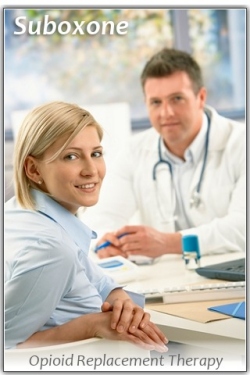
Stiff penalties for drug dealers are obviously merited. But treatment is the answer for those with addictive disease. We must also do something about our culture which far too often glorifies drug abuse and partying among the younger generation in our society. Opiates are seriously powerful and potentially dangerous medications. America needs to revisit the necessity of increasing funding for drug education & prevention as well as evidenced-based treatment for opioid addiction. That includes life saving medications like methadone and suboxone administered professionally, ethically, and responsibly.
 Follow

 If you are currently a client in a methadone clinic, then you have most likely heard treatment staff emphasize the importance of safety with methadone and the necessity of carefully securing take home methadone doses. Methadone is a powerful medication that is tremendously helpful to recovering individuals. It is also potentially lethal in the wrong hands and consequently must be deliberately safeguarded.
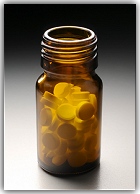 There are many legitimate and appropriate uses for opioid medications. Opioids are excellent at managing acute or chronic pain for back injuries, post-surgical recovery, dental work, and other medical conditions that generate unbearable pain.
 Methadone is so very beneficial when used properly and judiciously (as prescribed). However, in the wrong hands, methadone can lead to tragic consequences. Here is a cautionary tale.
 Methadone take homes (or carry outs) are awarded to clients that have demonstrated treatment progress, stability, and personal responsibility. A take home dose of methadone may be earned once a client has met a number of criteria set by each methadone clinic. Each state has its own methadone authority that provides additional guidelines regulating take home award. Consequently, take home medication awards may differ from one clinic to the next, and from one state to the next.