Category Archives: Suboxone

Heroin Addiction in Charlotte, North Carolina

methadone-blog-picAs has been widely documented in recent news media, heroin addiction is on the rise in the United States and does not appear to be slowing down anytime soon. From densely populated metropolitan cities to rural America, opiates are finding their way into schools, places of employment, and the upper socio-economic strata.

A well-written piece is just out in Charlotte Magazine profiling an intelligent 21 year old man by the name of Alex Uhler who succumbed to the pull of heroin, and sadly died of a fatal overdose. His story clearly illustrates a number of complex issues around addictive disease: the shame associated with being addicted, the extent some will go to conceal their addiction, and that it is an illness which impacts all people regardless of race, money, intelligence, or status.

The article addresses the increased presence of heroin in Charlotte, NC partly in response to the crackdown on, and scarcity of, prescription opioids. The extensive piece, by Lisa Rab, speaks to the emergence of opioids in professional work settings and schools, and touches on the frequency of co-occurring disorders alongside the addiction such as clinical depression, ADHD, and bipolar disorder.

Naloxone is also highlighted in the article sidebar as it has gained notable acceptance as the leading antidote for opioid overdose, and has been already documented to have saved hundreds of lives just in recent years. Naloxone can be administered by any bystander to an overdose victim. There are injectable and intranasal versions of the medication available at this time.

A local law enforcement official was quoted as saying that Charlotte’s drug problem cannot be eradicated by merely arresting drug dealers because there is always another up-and-coming dealer waiting on the sideline to take that vacant spot. The official said that society must stem the demand for drugs. Only then can we make our communities safer.

Medication-assisted treatment should most definitely continue to be funded and promoted as our society endeavors to save people from chronic opioid addiction. Many individuals have needlessly died when their lives and safety could have been restored through enrollment in an opioid treatment program. Methadone, buprenorphine (suboxone), naloxone and naltrexone are highly beneficial medications and act as a critical bridge in the addiction recovery process.

While Charlotte has a number of methadone clinics and buprenorphine-approved physicians, funding for opioid treatment remains a substantial obstacle for a number of people. Methadone is the most affordable option although various formulations of buprenorphine (suboxone) are becoming more cost-effective.

For more on opioid addiction, see Opioid Addiction in the United States

Medication-Assisted Treatment for Teens and Young Adults

opioid-addiction-childrenThere is increasing momentum building for opioid addiction treatment in response to the growing opioid addiction problem in the United States. Many teenagers and young adults who are being introduced to prescription opiates are at risk for developing a crippling drug dependency. The risk is increased as these youth discover that heroin is a relatively cheaper alternative than pain pills purchased on the street.

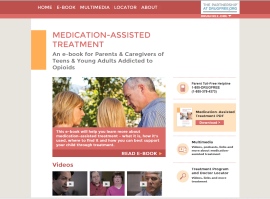
The Partnership at DrugFree.org has published a 36 page guide outlining opioid addiction and the therapeutic role that medication-assisted treatment can have even for teens and young adults. Methadone, suboxone, buprenorphine, and naltrexone are highlighted in the guide with an accompanying description of each medication and its use in opioid treatment.

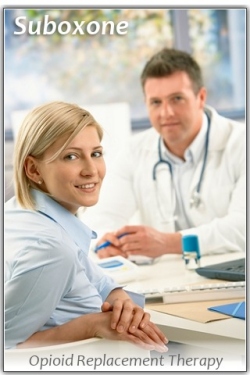
Opioid replacement therapy has historically been used as a treatment of last resort in adult populations. The dilemma is that a high percentage of opioid addicted individuals are unable to remain drug free with traditional models of treatment that do not include medication assistance of some variety like naltrexone, buprenorphine, or methadone. Overcoming opioid withdrawal without effective symptom relief presents a serious obstacle in the recovery process.

The Partnership at DrugFree.org recognizes that the wave of opioid addiction in America is mounting. The news media have been covering this issue too with some regularity over the past year. Effective remedies need to be in place as all ages seek help for opiate addiction. If we are to save lives, the stigma of medication-assisted therapy and the misunderstanding around it must be finally removed.

New York City’s Black Market for Painkillers

pain-pill-scheme-new-yorkA Reuter’s story was just released highlighting a large drug bust in New York City in which 25 people were indicted on drug charges including two physicians. The charges stem from evidence that a healthcare clinic called Astramed dumped $500 million in prescription opioids into New York City’s black market from 2011 through 2014. It is reported that a total of 5.5 million oxycodone pills were sold to local drug dealers via phony prescriptions. The Reuter’s article reports a federal indictment was issued in which 24 defendants were charged with conspiracy to distribute narcotics.

This story is especially disturbing and comes on the heels of other recent stories in the news like the overdose death of Philip Seymour Hoffman and the death of 17 people in Pennsylvania who had used the deadly heroin and fentanyl mixture only weeks ago.

The opioid abuse problem in the United States is reaching unprecedented levels and is causing concern in segments of society that had previously never thought much about addiction-related issues.

As addicted individuals come to grips with the reality of their illness, it will be imperative that they have ready access to detoxification and treatment services.

As a clinician of 25 years in North Carolina, I have witnessed a gradual and steady reduction in both substance abuse and mental health funding over the last decade. When rehabilitation services become no longer available to help people, the vast majority of them either remain in active addiction and die prematurely, or wind up incarcerated for committing crimes in desperation.

Stiff penalties for drug dealers are obviously merited. But treatment is the answer for those with addictive disease. We must also do something about our culture which far too often glorifies drug abuse and partying among the younger generation in our society. Opiates are seriously powerful and potentially dangerous medications. America needs to revisit the necessity of increasing funding for drug education & prevention as well as evidenced-based treatment for opioid addiction. That includes life saving medications like methadone and suboxone administered professionally, ethically, and responsibly.

Benzodiazepines in the Methadone Program

factsBenzodiazepines are a classification of drugs primarily prescribed to treat anxiety and panic attacks. They have been in use for over thirty years and are typically utilized for short term periods from several days to three months maximum.
Benzodiazepines are sometimes administered just prior to medical procedures or surgery to help calm a patient. Common examples include valium, ativan, klonopin, librium, and xanax. These medications have also been used successfully on a short-term basis to help reduce alcohol withdrawal as patients undergo alcohol detoxification.

For opioid treatment programs, benzos present a particular risk due to the higher probability of abuse and overdose death when mixed with methadone, other opioids, or alcohol. Benzodiazepines depress the central nervous system and can shut down respiration when combined with other CNS depressants. This lethal drug combination has resulted in numerous accidental deaths – even among experienced drug users.

While limited and carefully monitored benzodiazepine use can be clinically justified in some cases, prescribing physicians (and methadone clinics) must be vigilant and cautious in their use of these medications due to their risk of abuse and overdose with opioid dependent patients.

Many opioid treatment programs around the country have adopted a no benzodiazepine policy and will not induct a patient with methadone until the patient has successfully detoxed off of any benz medications, and is able to test negative for the drug.

Some prospective patients have been on benzodiazepines for many years – long past any justifiable therapeutic or medical necessity. Several years ago, an OTP was approached by a client seeking admission who had been taking klonopin by prescription for 25 years. She had experienced several overdose episodes during that time period. The prospective patient voluntarily completed a successful detox off the klonopin, and she demonstrated incredible courage in pursuing this goal. She remained benz free and has tested negative for illicit substances for 3 years now. While she was afraid and doubtful that she could complete the benz detox, she surprised herself and the clinic staff in what can only be described as an incredible commitment to change and a new life.

For those patients diagnosed with a severe anxiety disorder, benzodiazepines may be indicated in select cases. Cognitive-behavioral therapy can also be effective in helping individuals learn to cope successfully with anxiety although it will require strong commitment to the therapy process and a considerable degree of work. With benzodiazepine treatment alone, the medication only manages the symptoms … but does not treat the underlying cause of the anxiety. For that reason, treating anxiety exclusively with benzodiazepines (at the exclusion of therapy) can be a disservice to a patient. Take care with how long you take , it might be way more difficult to detoxify if you take up the habit. It’s even more difficult than with other less socially acceptable drugs. Also, never exceed the dose. By the example of a friend of mine I learned that your withdrawal syndrome could last for months.

Physical dependency on benzodiazepines can be quite powerful and withdrawal from them dangerous. No one should ever try to self-detox from a benzodiazepine addiction due to the risk of seizure and possibly death.

Methadone Program Profile – Alcohol and Drug Services (ADS)

ads-methadone-treatment2There are many hundreds of methadone clinics in operation across the entire United States. Wherever there is addiction, there are suffering addicts and concerned friends and family in search of answers … and treatment.

Methadone.US would like to profile a highly regarded opioid treatment program located in Greensboro, North Carolina. This program is part of a non-profit substance abuse services agency known as Alcohol and Drug Services (ADS).

ADS has been helping the Guilford County and surrounding Triad community for over 40 years. While ADS offers a range of addiction treatment and drug prevention programs, they excel in the area of treating opioid addiction through a combined use of opioid replacement medication (methadone) and structured counseling.

ADS has achieved CARF accreditation, is licensed by the State of North Carolina’s Division of Health and Human Services, and is an approved Medicaid and multi-MCO authorized provider. But ADS’ most outstanding accomplishment is the depth and quality of their opioid program services and the professionalism of their compassionate & committed staff.

Methadone medication offers safe & effective relief from opioid withdrawal symptoms when properly administered through a quality, structured program. Unfortunately, some methadone clinics are too lite on their counseling and case support components, which are key ingredients in any comprehensive opioid treatment program.

ADS has a longstanding history of helping clients gain a thorough knowledge of their addictive illness and in helping clients to develop valuable coping skills for managing their lives and achieving personal goals. ADS treats indigent and low income patients who might otherwise be unable to pay for methadone services out-of-pocket. The ADS Methadone Program offers psychiatric services, limited medical services, free HIV testing, and substantial case support assistance to help with major issues like housing placement.

Alcohol and Drug Services’ methadone program in Greensboro, NC is comparatively small in relation to some of the local private, for-profit methadone clinics. ADS typically serve between 180-200 active clients.

The organization recently launched a new website to inform the community of their various programs. The website is: www.ADSyes.org. The agency gratefully accepts charitable donations of any amount through their website.

Visit the ADS Blog and the ADS Google + Page