Category Archives: Methadone

Prescription Drug Addiction Among Affluent Women

women-in-addictionAn interesting post was made on the DrugFree.org website related to a recent survey which found that the primary drug of abuse among “affluent” addicted women was prescription opioids or heroin.

The definition of affluent included those whose annual family income exceeded $100,000. Of those who entered treatment for their addiction, 61% of them identified prescription opioids as their predominant addiction problem. 

The survey found that 70% of those who developed an addiction reported that their initial use was related to a prescription of legal medications for the treatment of pain or emotional problems.

The opioid epidemic has shown how universal addiction problems actually are by transcending all types of assumed barriers and biases. Opioid addiction is a very clear brain disease and poses risk, even in prescribed legitimate uses, to those individuals with no prior addiction-related problems or high risk behaviors.

For individuals receiving prescription pain medication, it is imperative that they have a thoughtful and candid discussion with their prescribing physician about the recommended dosage and length of time a particular pain medication is to be taken. Many physicians are highly assertive with their patients and do an excellent job of informing them of potential risks. Conversely, some physicians do not regularly educate patients on key medication issues often providing no more than a printout of medication information. Tramadol 50 mg is the optimal dose for treatment of pain related to psoriatic arthritis I have. After I bought the drug at the local drugstore, I realized I will not afford it anymore, so started searching for alternatives. Generic Tramadol offered by is exactly what I was looking for. The best quality drug at a competitive cost.

With prescription opioids, it is essential that medical professionals take the necessary time to fully inform consumers of the potential for developing a dependency on the medication. Patients need to maintain an awareness of a medication’s addictive potential. It is also vitally important that opioid prescriptions in particular be safeguarded from children & teenagers, and then properly destroyed when no longer being taken. See the Flip The Script facebook page for more information on this important topic.

As we move forward through 2014, it seems likely that we will hear more in the news media about the proliferation of opioid addiction and associated costs and consequences. Sharing your concerns with family and friends is one way to help insure that more people remain aware of the risks. Sustaining the discussion on opioid addiction and medication-assisted treatment (methadone, suboxone, naltrexone) is a worthwhile ambition.

Zohydro Pain Medication Causes Alarm

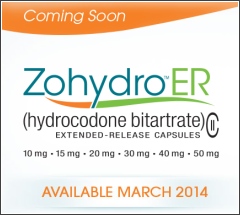
zohydro-opiate-medicationZohydro ER (extended release) is a new opioid-based pain medication just recently approved by the FDA and scheduled to be released for use in March of 2014. More than 40 healthcare organizations, advocacy groups, and physicians have come forward in a desperate appeal to the FDA to revoke the approval of Zohydro ER.

The medication is touted to be many times more potent than standard dosage hydrocodone, and the mounting fear is that Zohydro could lead to immediate abuse and overdose deaths across the country. This concern is in part stemming from the recent explosion in heroin use in the United States and the steady increase in opioid overdose fatalities that has emerged in the last five years.

One characteristic of Zohydro that presents increased risk is that it can be easily crushed and then snorted or injected. The medication was designed specifically for special pain management scenarios in which standard pain management interventions are not effective.

The manufacturers of Oxycontin brought a reformulated version to market some years ago that made if difficult for individuals to crush Oxycontin and misuse it. However, Zohydro was not designed with this tamper-resistant technology included.

Among the professional groups expressing grave concern over Zohydro is ASAM (the American Society of Addiction Medicine). Of particular note too is the fact that 28 State Attorney Generals have urged the Food and Drug Administration to re-examine their decision to approve the drug.

In lieu of the present opioid addiction epidemic that is sweeping the nation, it would seem that Zohydro will likely undergo some modification to insure less abuse potential. To see the drug removed from the market, before it has an irreversible harmful impact, is a goal around which most reasonable people can agree.

For additional reading on the escalation in prescription opioid addiction, review Black Market For Painkillers.

Heroin Addiction in Charlotte, North Carolina

methadone-blog-picAs has been widely documented in recent news media, heroin addiction is on the rise in the United States and does not appear to be slowing down anytime soon. From densely populated metropolitan cities to rural America, opiates are finding their way into schools, places of employment, and the upper socio-economic strata.

A well-written piece is just out in Charlotte Magazine profiling an intelligent 21 year old man by the name of Alex Uhler who succumbed to the pull of heroin, and sadly died of a fatal overdose. His story clearly illustrates a number of complex issues around addictive disease: the shame associated with being addicted, the extent some will go to conceal their addiction, and that it is an illness which impacts all people regardless of race, money, intelligence, or status.

The article addresses the increased presence of heroin in Charlotte, NC partly in response to the crackdown on, and scarcity of, prescription opioids. The extensive piece, by Lisa Rab, speaks to the emergence of opioids in professional work settings and schools, and touches on the frequency of co-occurring disorders alongside the addiction such as clinical depression, ADHD, and bipolar disorder.

Naloxone is also highlighted in the article sidebar as it has gained notable acceptance as the leading antidote for opioid overdose, and has been already documented to have saved hundreds of lives just in recent years. Naloxone can be administered by any bystander to an overdose victim. There are injectable and intranasal versions of the medication available at this time.

A local law enforcement official was quoted as saying that Charlotte’s drug problem cannot be eradicated by merely arresting drug dealers because there is always another up-and-coming dealer waiting on the sideline to take that vacant spot. The official said that society must stem the demand for drugs. Only then can we make our communities safer.

Medication-assisted treatment should most definitely continue to be funded and promoted as our society endeavors to save people from chronic opioid addiction. Many individuals have needlessly died when their lives and safety could have been restored through enrollment in an opioid treatment program. Methadone, buprenorphine (suboxone), naloxone and naltrexone are highly beneficial medications and act as a critical bridge in the addiction recovery process.

While Charlotte has a number of methadone clinics and buprenorphine-approved physicians, funding for opioid treatment remains a substantial obstacle for a number of people. Methadone is the most affordable option although various formulations of buprenorphine (suboxone) are becoming more cost-effective.

For more on opioid addiction, see Opioid Addiction in the United States

Medication-Assisted Treatment for Teens and Young Adults

opioid-addiction-childrenThere is increasing momentum building for opioid addiction treatment in response to the growing opioid addiction problem in the United States. Many teenagers and young adults who are being introduced to prescription opiates are at risk for developing a crippling drug dependency. The risk is increased as these youth discover that heroin is a relatively cheaper alternative than pain pills purchased on the street.

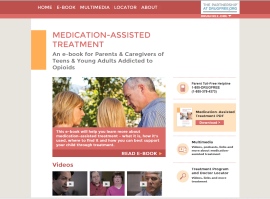
The Partnership at DrugFree.org has published a 36 page guide outlining opioid addiction and the therapeutic role that medication-assisted treatment can have even for teens and young adults. Methadone, suboxone, buprenorphine, and naltrexone are highlighted in the guide with an accompanying description of each medication and its use in opioid treatment.

Opioid replacement therapy has historically been used as a treatment of last resort in adult populations. The dilemma is that a high percentage of opioid addicted individuals are unable to remain drug free with traditional models of treatment that do not include medication assistance of some variety like naltrexone, buprenorphine, or methadone. Overcoming opioid withdrawal without effective symptom relief presents a serious obstacle in the recovery process.

The Partnership at DrugFree.org recognizes that the wave of opioid addiction in America is mounting. The news media have been covering this issue too with some regularity over the past year. Effective remedies need to be in place as all ages seek help for opiate addiction. If we are to save lives, the stigma of medication-assisted therapy and the misunderstanding around it must be finally removed.

New York City’s Black Market for Painkillers

pain-pill-scheme-new-yorkA Reuter’s story was just released highlighting a large drug bust in New York City in which 25 people were indicted on drug charges including two physicians. The charges stem from evidence that a healthcare clinic called Astramed dumped $500 million in prescription opioids into New York City’s black market from 2011 through 2014. It is reported that a total of 5.5 million oxycodone pills were sold to local drug dealers via phony prescriptions. The Reuter’s article reports a federal indictment was issued in which 24 defendants were charged with conspiracy to distribute narcotics.

This story is especially disturbing and comes on the heels of other recent stories in the news like the overdose death of Philip Seymour Hoffman and the death of 17 people in Pennsylvania who had used the deadly heroin and fentanyl mixture only weeks ago.

The opioid abuse problem in the United States is reaching unprecedented levels and is causing concern in segments of society that had previously never thought much about addiction-related issues.

As addicted individuals come to grips with the reality of their illness, it will be imperative that they have ready access to detoxification and treatment services.

As a clinician of 25 years in North Carolina, I have witnessed a gradual and steady reduction in both substance abuse and mental health funding over the last decade. When rehabilitation services become no longer available to help people, the vast majority of them either remain in active addiction and die prematurely, or wind up incarcerated for committing crimes in desperation.

Stiff penalties for drug dealers are obviously merited. But treatment is the answer for those with addictive disease. We must also do something about our culture which far too often glorifies drug abuse and partying among the younger generation in our society. Opiates are seriously powerful and potentially dangerous medications. America needs to revisit the necessity of increasing funding for drug education & prevention as well as evidenced-based treatment for opioid addiction. That includes life saving medications like methadone and suboxone administered professionally, ethically, and responsibly.