 It was announced late last month that CVS Drugstores intends to expand their provision of non-prescription naloxone into 12 additional U.S. States. Currently, they provide naloxone over-the-counter in Rhode Island and Massachusetts, but will begin offering the life-saving medication in California, Minnesota, Mississippi, Arkansas, Montana, New Jersey, North Dakota, Pennsylvania, Tennessee, Utah, South Carolina, and Wisconsin.
Naloxone has gained attention in recent years due to its ability to reverse opioid overdoses. Over 44,000 people have died annually in the United States from drug overdose with a majority of those stemming from heroin or prescription pain medication. Naloxone has been successfully utilized in emergency rooms and on site in communities around the country reversing opioid overdose and saving thousands of lives.
It is critically important to recognize that people who have suffered with addiction are sometimes close to a lasting recovery. There is a popular expression used lately that is somewhat stark though true and thought-provoking. The expression goes “You can’t recover if you’re dead.” While this may sound off-putting to some, it reminds us that people stuck in years of painful addiction can, and do, change. We would much rather have naloxone readily available to save a life and to provide a son, daughter, or friend the opportunity to change direction.
An addicted individual could be much closer to choosing a life of recovery than we might imagine. This happens on a daily basis. How, and when, someone recovers from addiction is hard to predict. All we can do is to offer them an open door to a new and better life.
 Chuck Rosenberg, the new chief of the Drug Enforcement Administration, has expressed serious concerns about the continuing opioid addiction problem in America and the pervasive spread of heroin addiction in particular.
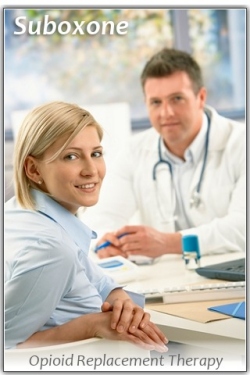
 A study by the government agency SAMHSA indicated there were approximately 254,000 patients receiving methadone for opioid addiction in 2006. In 2015, it is most likely that number is much higher given the prevalence of opioid addiction and the continued expansion of outpatient opioid treatment services in the United States. Today, there are considerably more methadone clinics and suboxone-approved physicians than there were a decade ago.
 Acadia is a large U.S. based company who provide a broad range of behavioral healthcare services that target mental health and substance abuse problems in children, teenagers, and adults.
 Drug and alcohol addiction are treatable illnesses. They can be successfully managed and “arrested” such that they do not continue to harm a person’s life or compromise their health. Just as with any progressive illness, a patient should commit to a course of treatment that has been proven to eradicate their illness or reduce its impact. Heart disease, cancer, diabetes, morbid obesity, alzheimer’s – all of these have established medical treatments which can increase a person’s chance of survival and/or quality of life.