 Counseling and support services are an integral part of the treatment process. Recovery from opioid addiction involves education on the addictive process and the development of skills that support lifestyle change.
Medication assistance is key in managing opioid withdrawal sickness, but counseling offers the opportunity to learn valuable skills like identifying common high risk triggers for relapse and methods for reducing that risk.
Addiction is a complex illness. Many patients who achieve early stability with methadone or suboxone will relax their commitment to treatment. They let their guard down and begin to take shortcuts. This is a frequent issue in treatment clinics that often leads to relapse.
Sustained recovery from addiction requires a full commitment to change. Individual counseling and group counseling provide the necessary roadmap for staying on the recovery path. Counseling allows patients to achieve a deeper understanding of the challenges they will face as they learn to live drug free.
Opioid addiction can seriously impact a person’s life in many areas, and climbing out of that hole is not easy. Making the correct recovery-based decisions can at times be confusing, and even feel overwhelming. This is where the value of support & input from a counselor, stable friends, and concerned others can make a real difference.
Most MAT clinics and physician practices across the U.S. provide counseling as a component of their opioid treatment program. Participate in these services. These sessions with a therapist or in a counseling group can greatly enhance your ability to stay on course, and ride out the difficult days that you will certainly encounter. There is no replacement for commitment and positive action. These are the foundation of success when true recovery is the goal.
 Follow

 There are plenty of illegally manufactured medications of unknown origin currently flooding the country. In addition to heroin, methamphetamines, and other highly addictive substances, common prescriptions for managing psychiatric disorders are now accessible on the street as well.
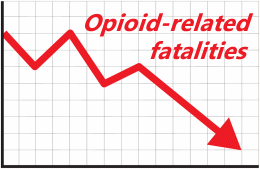 Various news outlets are reporting new statistics which indicate deaths from opioid overdose are beginning to go down.
 People facing addictive disease cover a wide variety of maturity levels, individual capabilities, and in their level of desire for sober lives. What I mean is that some are further along in their mindset and are really ready to live drug free. They embrace the challenge, and they recognize that some work lies ahead in order to get their life properly sorted out.