 In browsing articles on current methadone treatment, I came across a brief one in the United Kingdom’s Daily Record specifically from the Scottish news section. The article contained a number of derogatory quotes (in regard to methadone) from Scotland’s Maxie Richards. Ms. Richards runs a foundation for addicted people in recovery.
One quote from Ms. Richards pertaining to methadone included: “To me it represents a hopeless road, a road to nowhere.” Another comment was “I think it is such a waste to let young people spend years on methadone because we don’t think there’s any hope for them.” Ms. Richards is openly critical of the government’s support of methadone treatment programs.
Her words “a hopeless road” are not a fitting description of the life enhancing benefits of methadone in treating addiction. To the contrary, methadone is often the single most beneficial intervention for someone struggling with opioid addiction. In my experience, any addiction professional who is categorically against methadone is revealing a lack of education on evidence-based treatments, and is merely expressing an unsubstantiated personal bias that is easily refuted.
Today, a former client made a surprise visit to our clinic. She had been in methadone treatment with our agency for a little over 4 years and had come off of methadone one year ago. Today, standing in our lobby, she was full of life, smiling, and enthusiastically talking about how well things were going in her life. She said that methadone had been instrumental in saving her life. Since leaving treatment, she had remained completely drug free, was full-time employed, enjoying positive relationships with her family. And she looked wonderful, very healthy, and had a beautiful complexion.
Was her methadone treatment a “hopeless road’? Absolutely not! She, and we, knew that it was a bridge to a better life. She had originally arrived at our clinic beat down, lost in addiction, hopeless, and desperate for an answer after having tried everything she knew of to get clean and sober. Choosing methadone and counseling worked for her. I wonder what Ms. Richards might think if she had the chance to see and to speak with our former client today? Results speak for themselves. Methadone programs save lives and provide a deeply desired new opportunity. True, not all methadone programs are the same. Some are better than others.
Hope … is what many addicted people find when they begin dosing with methadone. Relief … from painful opioid withdrawal symptoms is what they feel. Gratitude … is what they express for a new start in life. And eventually happiness. Which is what our former client had come to share with us on this day.

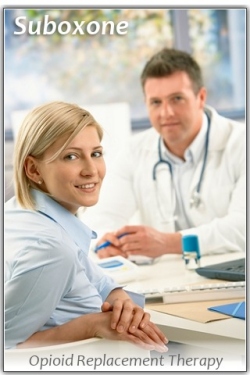
 Suboxone is the other leading opioid replacement medication and it is becoming increasingly popular as an option for opioid addicted people. Suboxone has historically been too pricey for most patients, but a cheaper generic version is rumored to be on its way to market in the near future.
 One of the chief hurdles clients face in considering methadone treatment is how convenient it will be to get to the methadone clinic for daily dosing. Metropolitan areas traditionally have a timely bus system and access to taxis, but those in rural areas can often find themselves stuck in the country with no way to get to the clinic.
 There are many legitimate and appropriate uses for opioid medications. Opioids are excellent at managing acute or chronic pain for back injuries, post-surgical recovery, dental work, and other medical conditions that generate unbearable pain.